Chamonix is a ski resort in France with 155 km of pistes and 17 lifts. Skiing reaches up to 3,842 m above sea level and the village sits at 1,035 m. Accommodation with lift pass included can be booked directly, you arrange your own travel there.
Cheapest places to stay in Chamonix
Lift pass options
Prices above include the resort's default lift pass. Here is how the price per person changes if you pick another one when booking:
| Lift pass | Price change per person |
|---|
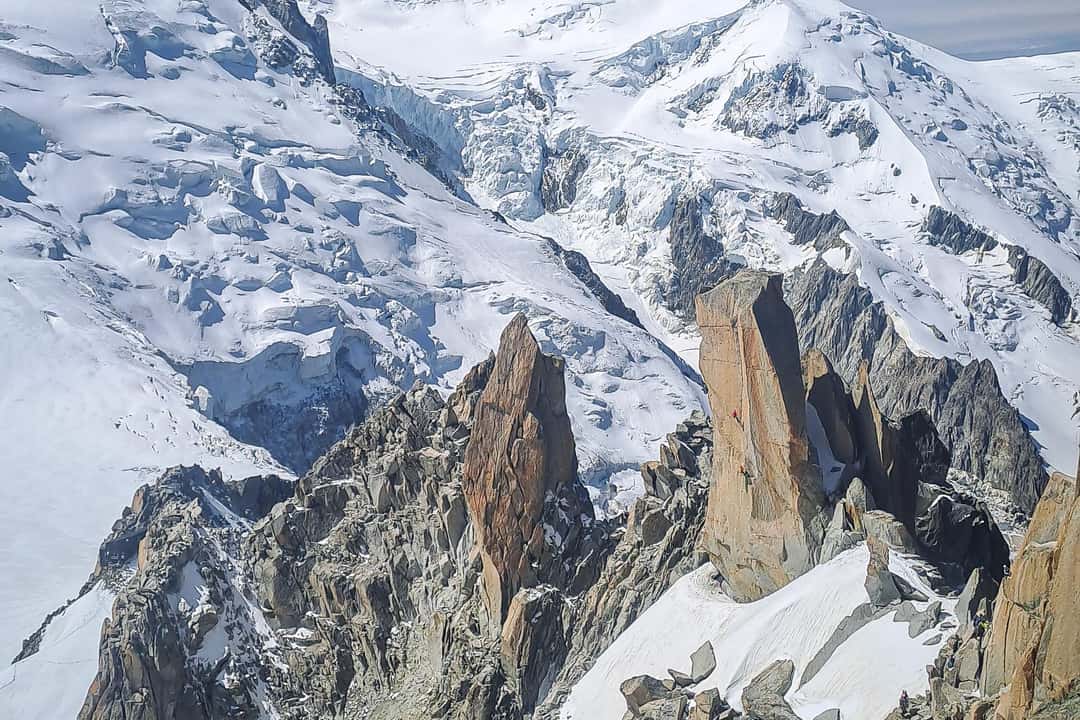
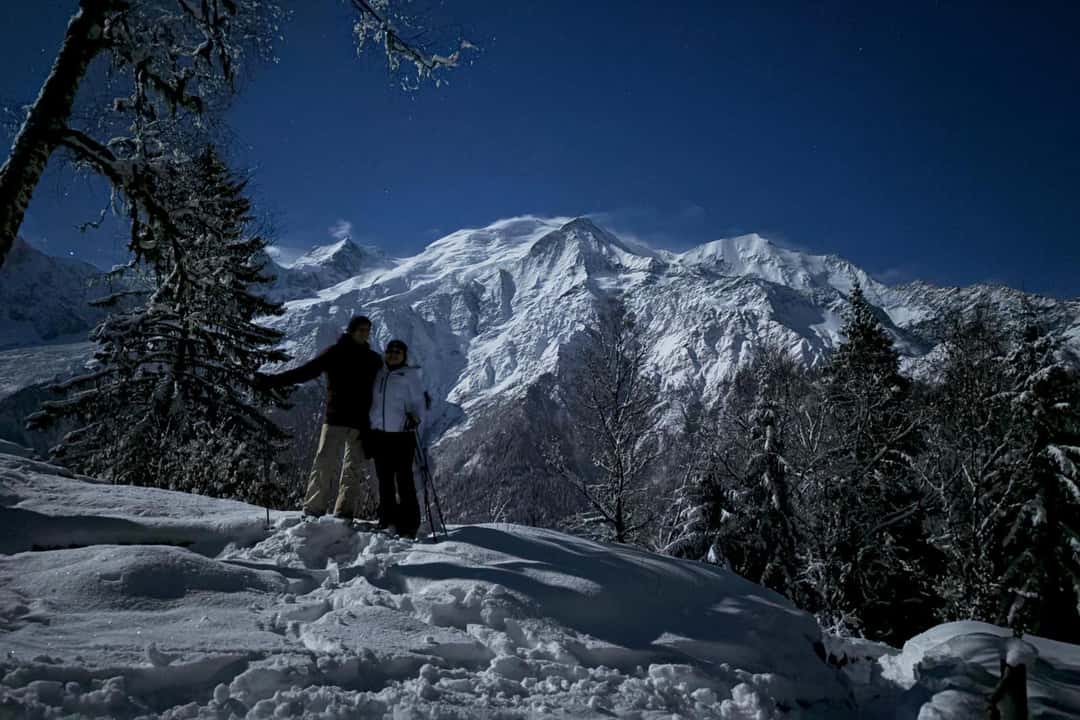
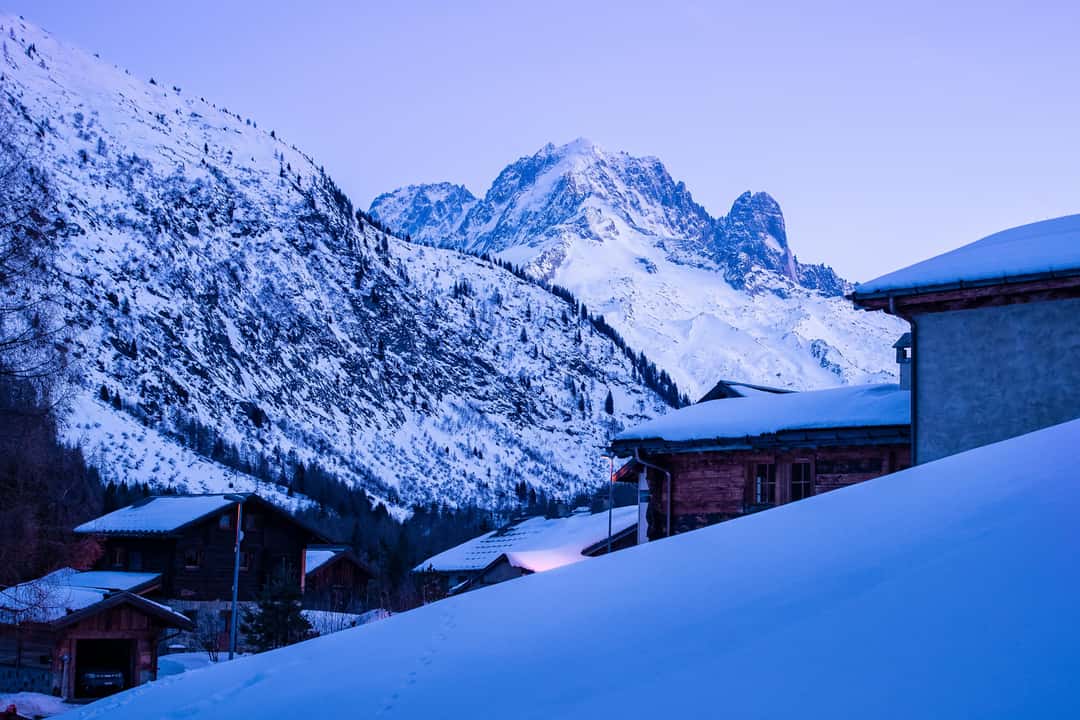
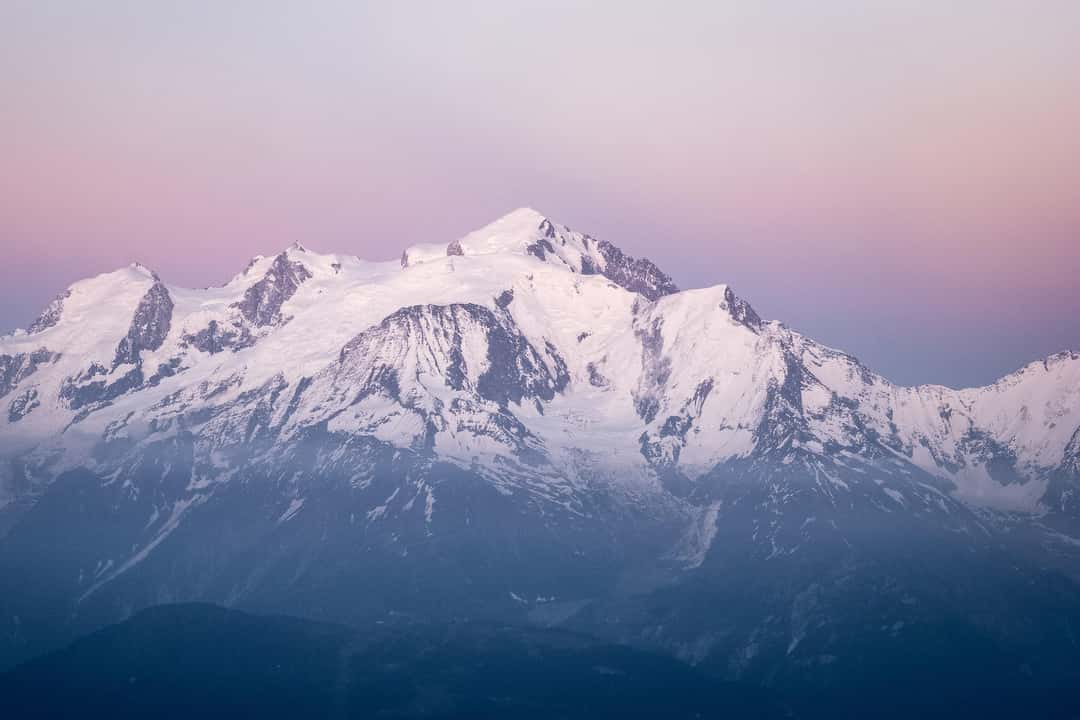
Chamonix-Mont-Blanc is the cradle of alpinism and one of the world's most iconic mountain destinations. The town sits at 1 035 metres above sea level at the foot of Europe's highest mountain, Mont Blanc (4,810 m), and offers skiing with a drama and grandeur that is unrivalled. A ski holiday in Chamonix is as much about the mountain experience as it is about the skiing itself.
The ski area is divided into several separate sectors: Grands Montets (the most advanced), Brévent-Flégère (sunny with panoramic views), Les Houches (family-friendly) and Balme-Le Tour (quiet and varied). Together they offer 155 km of pistes with a clear focus on advanced skiers and experts.
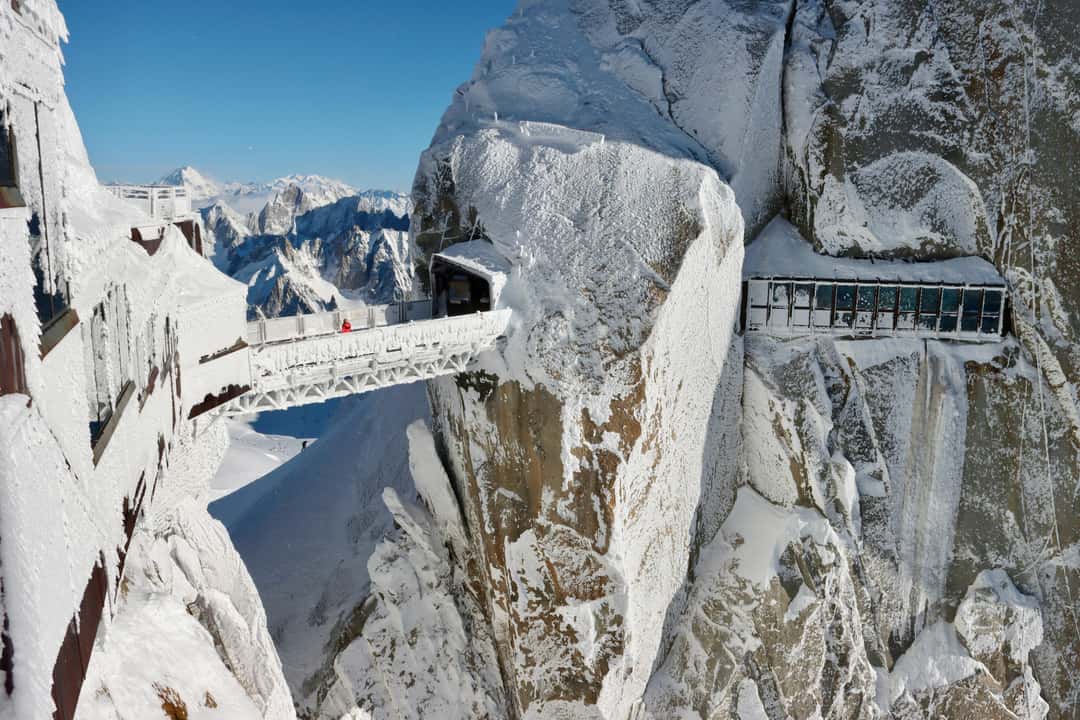
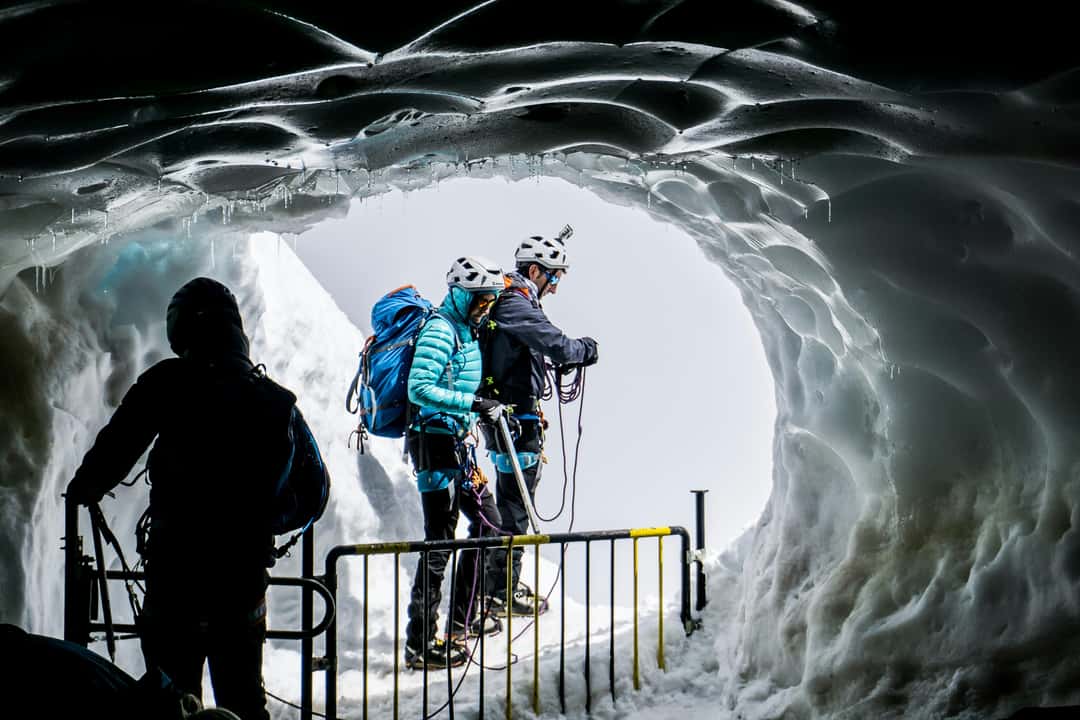
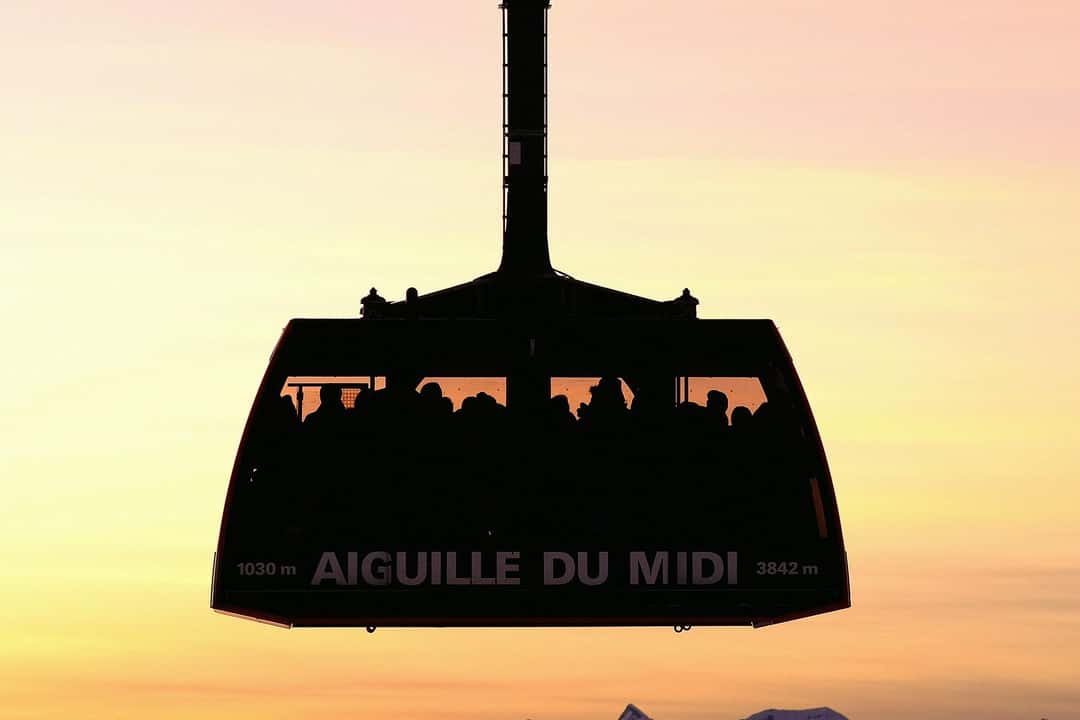
Vallée Blanche is Chamonix's most legendary attraction. This 20 km off-piste descent starts from Aiguille du Midi at 3 842 metres and takes you through a spectacular glacial landscape down to the village. It is one of the world's most famous ski routes, and it requires a guide and glacier equipment.
Chamonix is a lively town rather than a purpose-built ski resort. Here you'll find gourmet restaurants, microbreweries, climbing halls and a cosmopolitan atmosphere that attracts adventurers and mountain lovers all year round. The après-ski culture is relaxed but lively, with legendary pubs and bars in the town centre.
Ready to book a ski holiday in Chamonix? Find accommodation with lift pass included in the price. You arrange your own travel there.
The lift pass included covers the ski area at Chamonix. The offer at the tour operator states which pass is included. Regional passes covering several ski areas are bought locally.
Accommodation with lift pass in Chamonix ›Did you know this about Chamonix?
Chamonix hosted the very first Winter Olympic Games in the mid-1920s and is regarded as the birthplace of alpinism, ever since mountaineers first reached the summit of Mont Blanc in the 18th century. The name is inseparable from extreme skiing and climbing, and the resort still draws the biggest names in the mountain world.
5 tips about Chamonix
- Beginners belong in Les Houches This is where families and first-timers will find the widest and most approachable pistes, well away from the steep sections of Grands Montets. A safe bet for days when your legs feel a little uncertain.
- Make the most of the valley-wide ski pass A single lift pass gives you access to every one of the valley's separate ski areas, so plan your days across the different sectors to get the very most out of your stay.
- Take a guide down the Vallée Blanche The legendary glacier descent from the Aiguille du Midi always requires a guide and glacier equipment, but it rewards the experienced skier with one of the most spectacular ski experiences in the world.
- Travel outside the school holidays for quieter slopes Book accommodation with a lift pass during the weeks that fall between the main half-term holidays, when the queues at the top lifts are shorter and prices are often rather better.
- Chase the sun in Brévent-Flégère If you want to combine your skiing with magnificent views of the Mont Blanc massif, the sunny Brévent-Flégère area is the obvious choice on a clear day.
Pistes and lifts in Chamonix
Chamonix offers 155 km of pistes spread across four separate ski areas, served by 62 lifts. Grands Montets (3,275 m) is the most challenging area, with steep black runs and huge off-piste opportunities. Brévent-Flégère offers panoramic views towards Mont Blanc and varied descents. Les Houches suits families with wider pistes. Aiguille du Midi (3,842 m) is the starting point for the famous Vallée Blanche descent.
Piste map for Chamonix

The map downloads as an image file. On your iPhone it lands in the Files app. Tap the icon at the bottom of the address bar to open the map straight away.On your iPad it lands in the Files app. Tap the icon at the top right of the address bar to open the map straight away.On your phone it lands in the Downloads folder. Tap the download notification that appears to open the map straight away.The file lands in the Downloads folder. You can also look for the icon at the top right of the screen and open the map from there.
Snow reliability in Chamonix
Chamonix sits at an altitude of 1,035 metres, which makes the village itself relatively low-lying compared with many other Alpine destinations. The skiing nevertheless reaches all the way up towards the Aiguille du Midi at 3,842 metres, giving access to considerably colder and more snow-sure terrain higher up in the system.
Because the ski area is split into several separate sectors with a substantial difference in altitude, snow conditions can vary markedly depending on where you happen to be. The higher slopes around Grands Montets at 3,275 metres generally offer better and more dependable snow than the lower-lying sections near the valley floor.
Best time to travel to Chamonix
January to March offers the best conditions in the higher sectors. Chamonix sits relatively low, and the lower areas can be affected by mild weather. February and March offer a good combination of snow and sun. Vallée Blanche is best from February to April.
Will there be lift queues in Chamonix?
The Brévent and Flégère (Chamonix) sector at Chamonix carries 29,022 people an hour across 17 lifts. 9 of the 17 lifts belong to the faster class. The fastest lifts carry up to 3,000 people an hour, for example TC Chamonix-Plan Praz. Per kilometre of piste there is less lift capacity than at an average resort on this site, so a busy week is felt more clearly here. The queue you actually notice is almost always down in the valley between eight and half past nine. If you are on the lift before eight you avoid it.
When is Chamonix busiest?
How busy the slopes get is not decided by the English half term but by when the local families and the neighbouring countries are on holiday. These are the weeks that fill Chamonix in the 2026/2027 season.
-
France: The French winter holidays roll through three zones and together cover 6 February to 8 March. All three zones head for the same valleys, so the whole period is busy.
6 to 22 February: zone C, including Paris and Toulouse
13 February to 1 March: zone A, including Lyon and Bordeaux
20 February to 8 March: zone B, including Marseille and Strasbourg - England: The English February half term is 15 to 19 February 2027 for most councils, with a few areas breaking up a week earlier. The Easter holidays run from 26 March to 9 April.
8 to 12 February: half term in a few council areas, for example Hull
15 to 19 February: half term in most of England, including London, the Midlands and the North
26 March to 9 April: Easter holidays for most English schools - Easter holidays: Easter 2027 is early, on 28 March. Austria and Germany take their holidays around the weekend, while the French holidays fall after Easter, in April.
20 to 29 March: the whole of Austria, all states at the same time
22 March to 3 April: most German states, including Bavaria, Hesse and North Rhine-Westphalia
3 April to 3 May: the French zones, which fall after Easter 2027 and only affect the highest resorts - Long weekends: Long weekends fill the slopes with day visitors from the nearest cities, even when no schools are on holiday.
26 December to 3 January: Christmas and New Year, the most expensive period of the year
6 January: Epiphany, a public holiday in Austria, Italy and parts of Switzerland
27 to 29 March: the Easter weekend. Easter Monday is a public holiday across the Alps, but Good Friday is a working day in Austria, Italy and France
1 to 2 May: May Day, a public holiday across the Alps
The weeks before 6 February and after 8 March are noticeably quieter and cheaper. January is the best time for anyone who wants the pistes to themselves.
Major events in Chamonix
- World Cup slalom, 30 January 2027. A single race day at the end of January. Chamonix is big enough to absorb the crowd, so the effect on your own skiing is small.
Opening and closing dates are typical values derived from altitude, not confirmed dates for this season. Check the resort's own website before booking.
Who skis in France?
54,800,000 skier days in the 2024/25 winter season. Tap a country or a segment of the circle to highlight it.
-
1
 French
71.0%
French
71.0%
-
2
 British
11.0%
British
11.0%
-
3
 Belgians
5.0%
Belgians
5.0%
- 4 Other Europe 4.0%
-
5
 Dutch
3.0%
Dutch
3.0%
- 6 Rest of the world 3.0%
- 7 Scandinavians 2.0%
-
8
 Germans
2.0%
Germans
2.0%
-
9
 Spaniards
1.0%
Spaniards
1.0%
Source: Domaines Skiables de France. France publishes no breakdown by resort, so the figure covers all French ski resorts together. The measure is skier days in the lifts, not overnight stays.
Snow right now. There is no snow cover in the valley or at the top right now. The figures are modelled by Open-Meteo, not measured by the lift company, and were fetched 15 October 2026 at 20:24.
The lift pass included. The stay comes with the Chamonix Le Pass lift pass, which covers 119 km of piste. The pass is worth around €360.
How to get to Chamonix
You arrange your own travel: we sell the stay, not the transport. Here are the three ways people get to Chamonix, so you can pick the one that suits you.
By air. The nearest airport is Geneva (GVA). Pure flying time from London is around 1,5 hours, and from there it is 1 hour on to Chamonix. You can cover the last stretch in one of two ways:
- Private transfer. A private driver meets you in the arrivals hall and drives straight to your accommodation with no stops. The price is per car, not per person, ski boxes can be booked in advance, and the driver waits even if the flight is late.
- Hire car at the airport. With SmartCarRental you collect the car in the arrivals hall. That gets you to the neighbouring villages on the same lift pass, lets you shop at valley prices rather than resort prices, and frees you from transfer timetables. Winter tyres are standard at Alpine desks.
By car. Many drive. Taking the Eurotunnel from Folkestone and arriving at Calais, it's roughly 897 km to Chamonix, around 9 hours of pure driving time through France. Remember that studded tyres are banned in France and Germany.
Last-minute deals in Chamonix
Last-minute offers, that is late dates the operator still wants to fill, appear from January onwards. Once the season is under way we will show them here on this page.
Chamonix is suitable for
Suitable to some extent
⭐ Excellent choice
⭐ Excellent choice
Good snow reliability
Read more about ski holidays
Ready to book? Choose from accommodation in different price ranges. Lift pass is included in the price, and you arrange your own travel there.
Accommodation with lift pass in Chamonix ›Frequently asked questions about Chamonix
Vallée Blanche is a 20 km off-piste descent that starts from Aiguille du Midi (3,842 m) and runs through a spectacular glacial landscape down to Chamonix. The route requires a guide and glacier equipment and is one of the world's most famous ski routes. It takes 3 to 5 hours.
No, although Chamonix has a reputation as an expert destination, there are pistes for all levels. Les Houches has family-friendly runs, and Brévent-Flégère has plenty of blue and red pistes. That said, beginners will find better options elsewhere.
Chamonix is easy to reach by car, for example via the Eurotunnel and Calais, and it's also accessible by train: there are direct TGV connections from Paris to Saint-Gervais, from where a local train continues to Chamonix.